





Trusted by startups and enterprises worldwide
Verified by Industry Platforms
Recognized for our commitment to excellence and trusted by clients worldwide.
Clutch
Top Software Developers
Clutch 100
Fastest Growth
GoodFirms
Top Mobile App Development Company
ITFirms
Top Mobile App Development Company
TopDevelopers
Top Mobile App Developers India

AppFutura
Certified Mobile App Developer
Serving clients across 20+ countries
What Clients Say About Our App Development Company
Chandni Malhotra
CEO, Malhotra Legal Consultancy, UAE
Prince Rae Stocks
CEO, VG, USA
Abhir
Fitness Trainer App, Canada
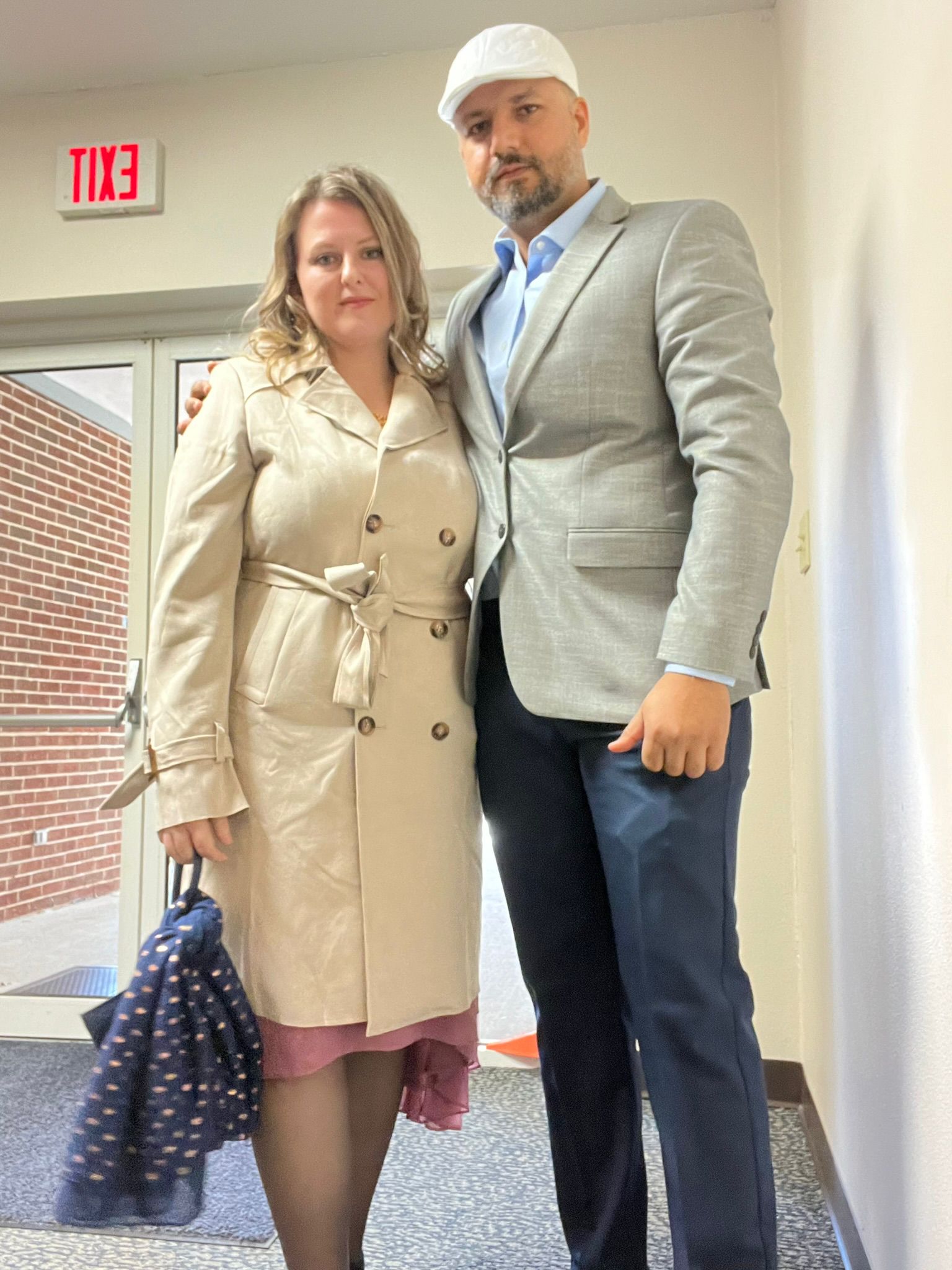
Casey Rae Stocks
Founder, VG, USA
"The LoudOwls team updated our mobile app flawlessly, at every scaling stage to account for increased demand. The level of detail they put into UX and performance was unparalleled. From ideation to launch, the team provided clarity, speed, and results. We have finally got an app that delivers real business results."
Sarah Ricket
MyTalez Kids App, USA
Sarah Ricket
MyTalez Kids App, USA
"It has been a great experience working with Pardip and his team. They are very cooperative and we definitely plan to work with Pardip and his team for a long time."
Vrushali
Startup Founder, PyxisSocial, India
Vrushali
Startup Founder, PyxisSocial, India
Trusted by Leading Businesses
Delivering innovative software solutions that help organizations grow and succeed.
IBM
Enterprise Tech
PNC
Banking Platform

Motus
Fitness App

Klink
Social Platform

Haiku
Creative Network

Ghost
Blogging Platform

Hyer
Hiring Platform

ShoutOut
Marketing Tool
Future-Ready AI Apps Crafted by Certified Mobile App Developers
Revolutionize your mobile experience with cutting-edge AI technology. Our app development company crafts intelligent, adaptive applications that learn, evolve, and deliver unprecedented user experiences.
99.9%
Accuracy
Real-time
Processing
50+
Languages
Trusted by 50+
businesses
0%
Model accuracy
0x
Faster delivery
What we do best
Advanced AI Technologies We Integrate
Machine Learning Integration
Advanced ML models seamlessly integrated into mobile apps for intelligent user experiences.
ExploreComputer Vision
Real-time image recognition, object detection, and augmented reality capabilities.
ExploreNatural Language Processing
Intelligent chatbots, voice recognition, and language translation features.
ExplorePredictive Analytics
Data-driven insights and predictive modeling for smarter business decisions.
ExploreAnd many more AI capabilities to power your ideas
Our edge
Our Premium AI Capabilities
Transform your mobile applications with intelligent features that adapt, learn, and evolve. Step into the future with our expert team.
Edge AI Computing
On-device AI processing for faster responses and enhanced privacy.
Privacy-First AI
Secure AI implementation with data protection and privacy at its core.
Real-time Processing
Lightning-fast AI responses for seamless and engaging user interactions.
0+
AI Models Deployed
0.0%
Uptime Reliability
0/7
AI Support
0%
Client Satisfaction
Ready to Build Your AI-Powered App?
Let’s turn your idea into an intelligent, future-ready mobile application.
Your Trusted Mobile App Development Company for Digital Innovation
LoudOwls is a worldwide app development company, delivering cutting-edge mobile solutions across industries. As a trusted global partner, we specialize in building powerful, user-focused applications that bring ideas to life across multiple platforms.
Trusted by
150+ Clients
250+
Projects Delivered
Serving
Worldwide
99% Client
Satisfaction
Hello, Alex 👋
Let’s make something amazing today!
Active Projects
12
+2 this weekRecent Activity
Fintech App
Updated 2h ago
E-commerce App
Updated 5h ago
Health & Fitness
Updated 1d ago
Good Morning 👋
Dashboard
Total Users
0.0K
+12.5%Analytics Overview
Top Features
Navigating the Next Through Unwavering Strategic Commitment
Discover the advantage of our software development company with a comprehensive support system designed to ensure your mobile app's success from development to launch and beyond.
3 Months Free Support
FREEComplete post-launch support with bug fixes, updates, and technical assistance at no extra cost.
What's Included:
- 24/7 technical support via email and dedicated support portal
- Priority bug fixes within 48 hours of reporting
- App store updates and compatibility fixes for new OS versions
- Performance monitoring and optimization recommendations
Key Benefits:
- Peace of mind knowing your app is fully supported
- No unexpected costs for critical bug fixes
- Maintain app store ratings with quick issue resolution
- Expert guidance during your app's crucial launch period
Real Example:
When iOS 18 was released, we proactively updated all client apps within 2 weeks to ensure compatibility, at no additional cost.
Free App Store Publishing
INCLUDEDWe handle the entire app store submission process for both iOS and Android at no additional charge.
3 Months Marketing Guidance
EXPERT GUIDANCEOur dedicated marketing expert provides personalized strategies to maximize your app's visibility and downloads.
Rapid Development
FASTER TIME-TO-MARKETAgile methodology ensures faster delivery without compromising quality, getting your app to market quicker.
Custom Solutions
PERSONALIZEDTailored mobile apps built specifically for your business needs with scalable architecture and modern tech stack.
Transparent Pricing
NO SURPRISESNo hidden costs or surprise fees. You know exactly what you're paying for with detailed project breakdowns.
Ready to Turn Your Idea into a Market-Leading Digital Product?
Join thousands of satisfied clients who counted on our custom mobile app development services and transformed their ideas into successful digital solutions.
Results Delivered by our Mobile App Development Company
At LoudOwls, innovation isn’t only about technology, it’s about producing outcomes that bring an impact. We build apps that aren’t only future-ready but also aligned with your business goals.
Growth that matters
Market-leading performance
Engagement amplified always
Opportunity unlocked daily
Revenue streams multiplied
Scale with confidence
Trusted by 50+
businesses
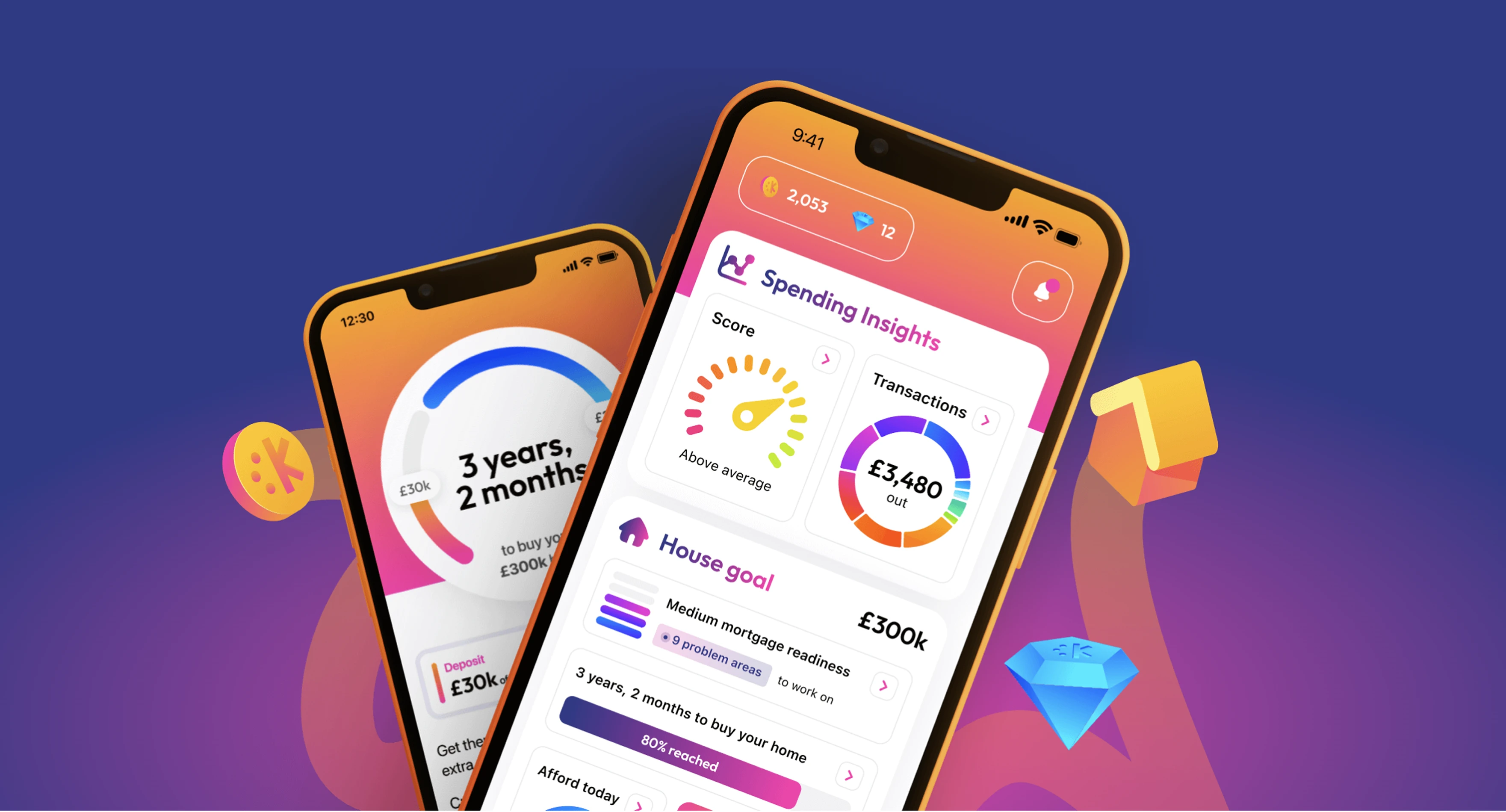 Fintech
WealthTrack
A smart finance companion helping users track, save and grow their money.
+65%
User Growth
+40%
Engagement
+2.5x
Revenue
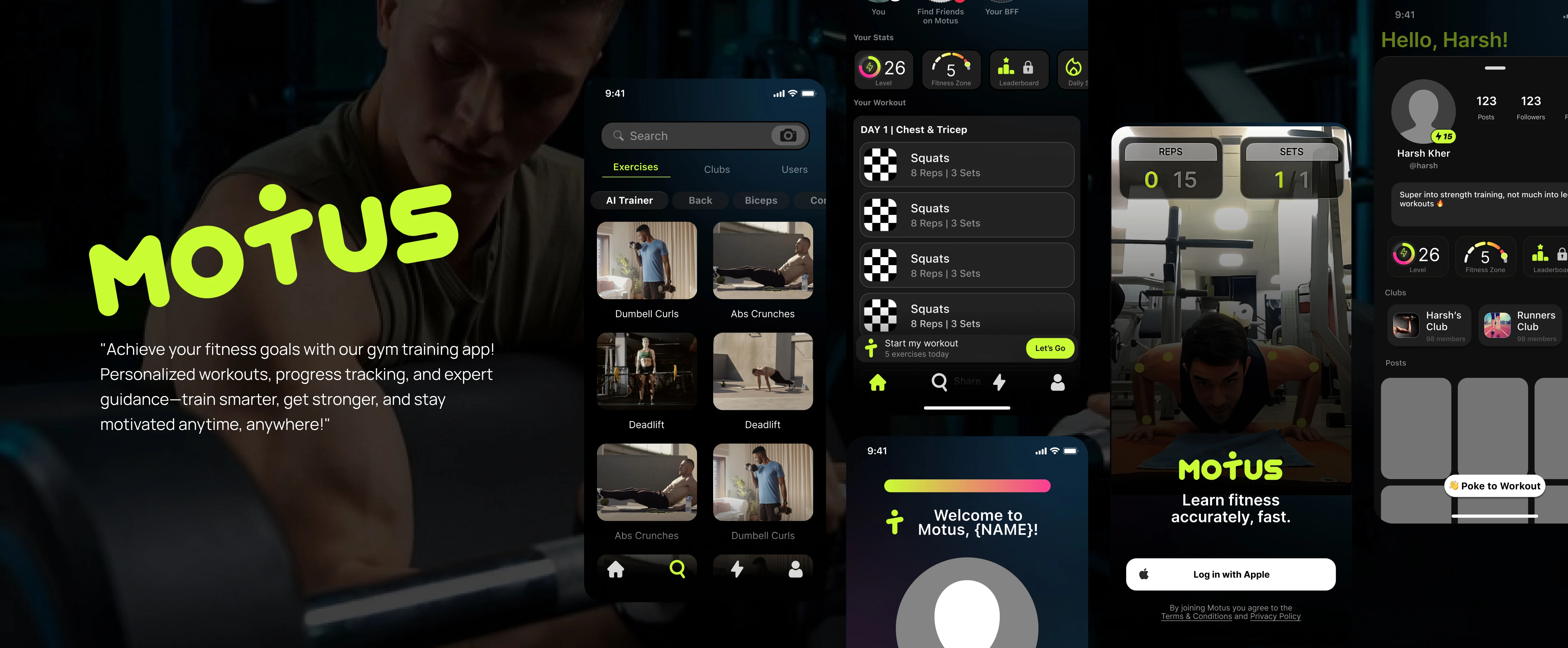 Health & Fitness
Motus
Next-gen fitness app delivering personalized workouts and tracking.
+70%
User Growth
+55%
Engagement
+3.2x
Subscriptions
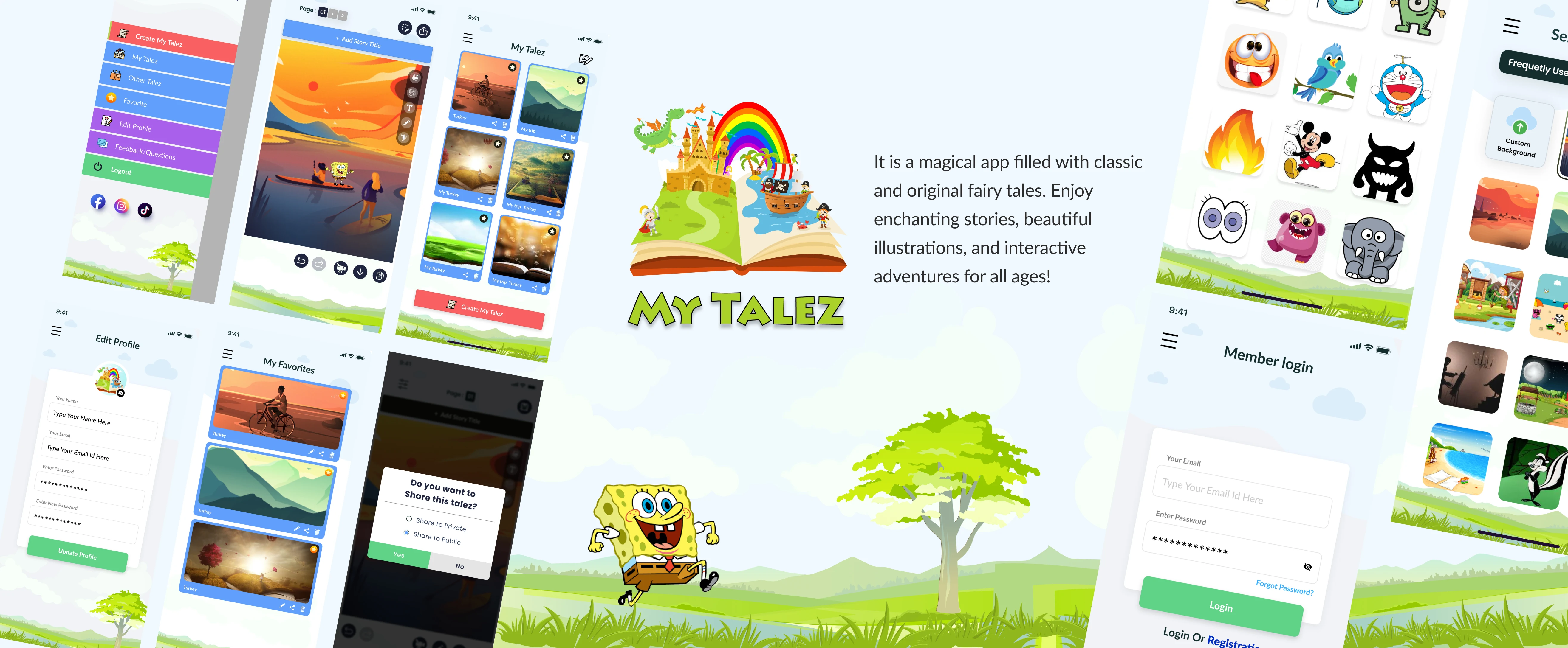 Education
My Talez
Magical illustrated stories and interactive adventures that make reading fun.
+80%
User Growth
+60%
Engagement
+2.8x
Retention
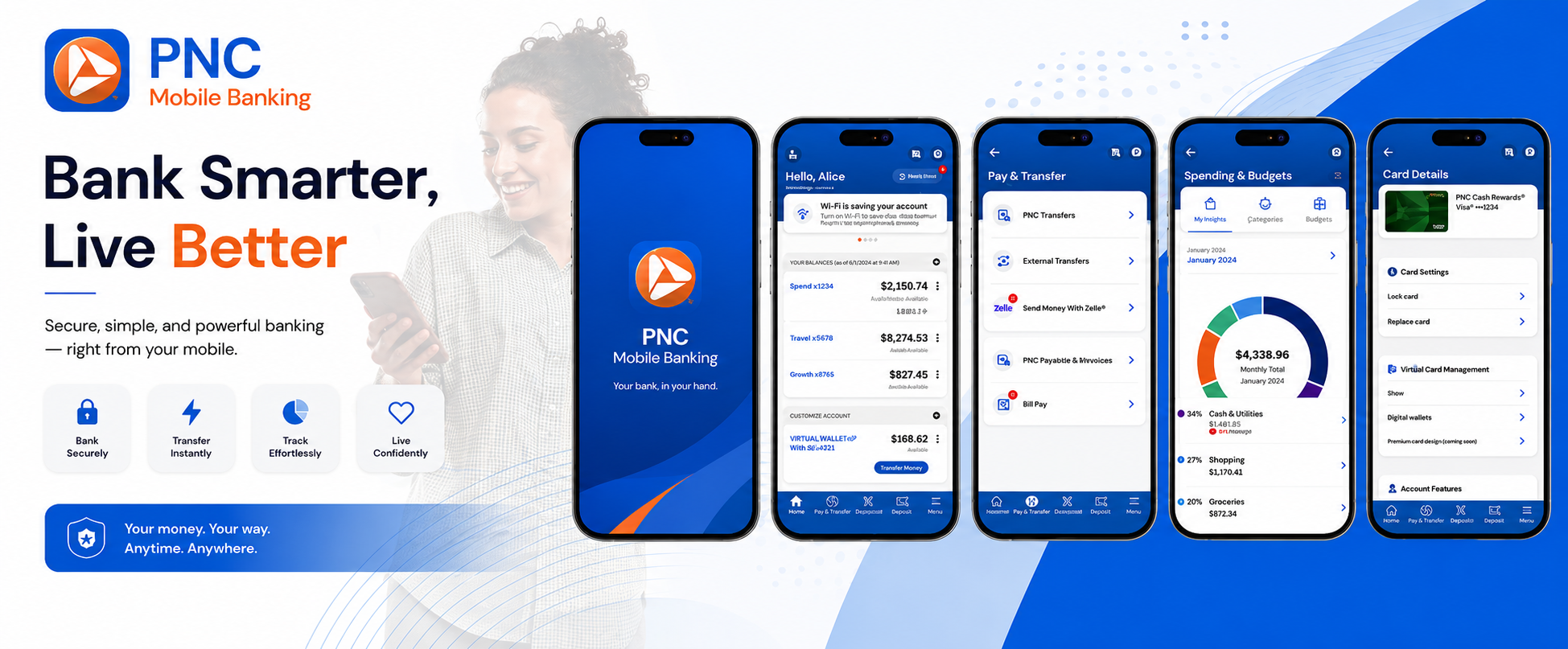 Fintech
PNC Banking
Secure mobile banking with deposits, bill pay and real-time alerts on the go.
+58%
User Growth
+45%
Engagement
+2.1x
Transactions
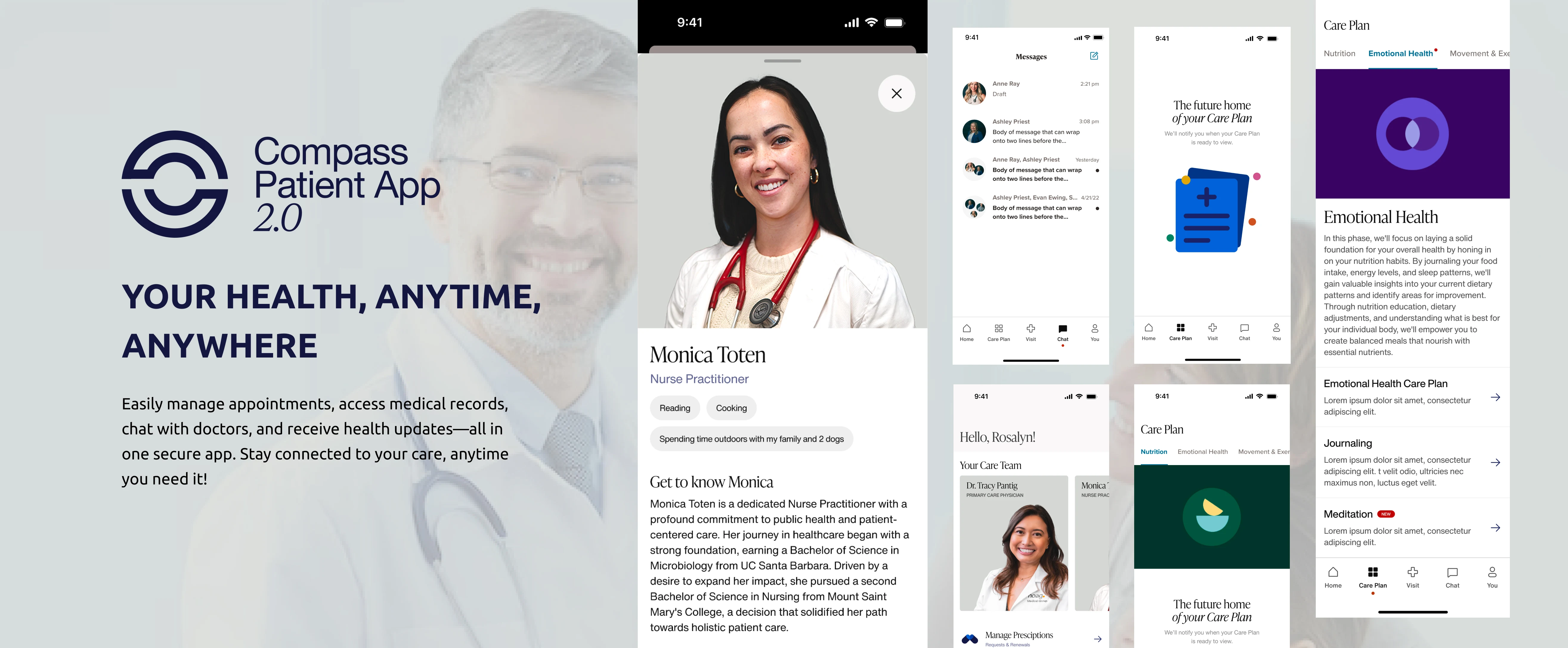 Health & Fitness
Compass Patient
Smart healthcare companion for appointments, records and patient care.
+45%
User Growth
+50%
Engagement
+2.2x
Bookings
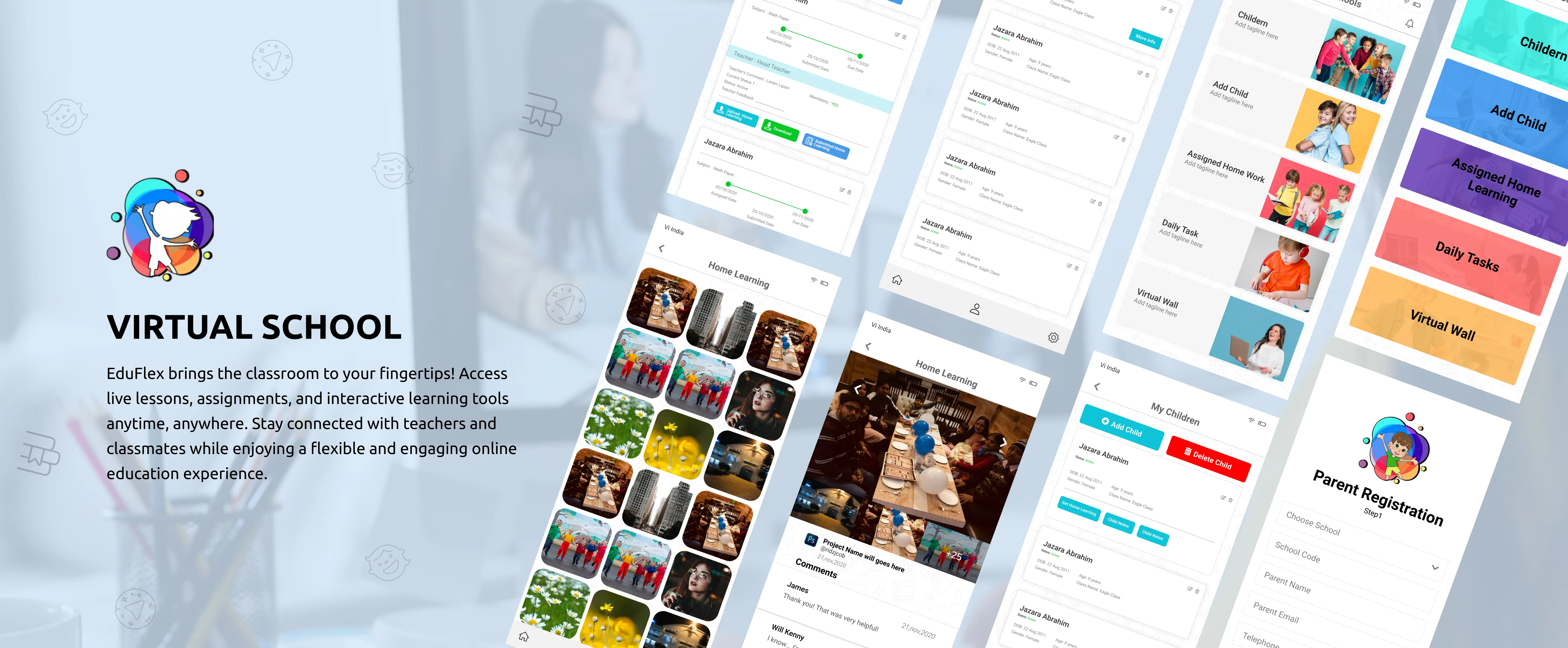 Education
Virtual School
Digital classrooms, progress tracking and parent-teacher chat in one app.
+75%
User Growth
+58%
Engagement
+3.0x
Enrollments
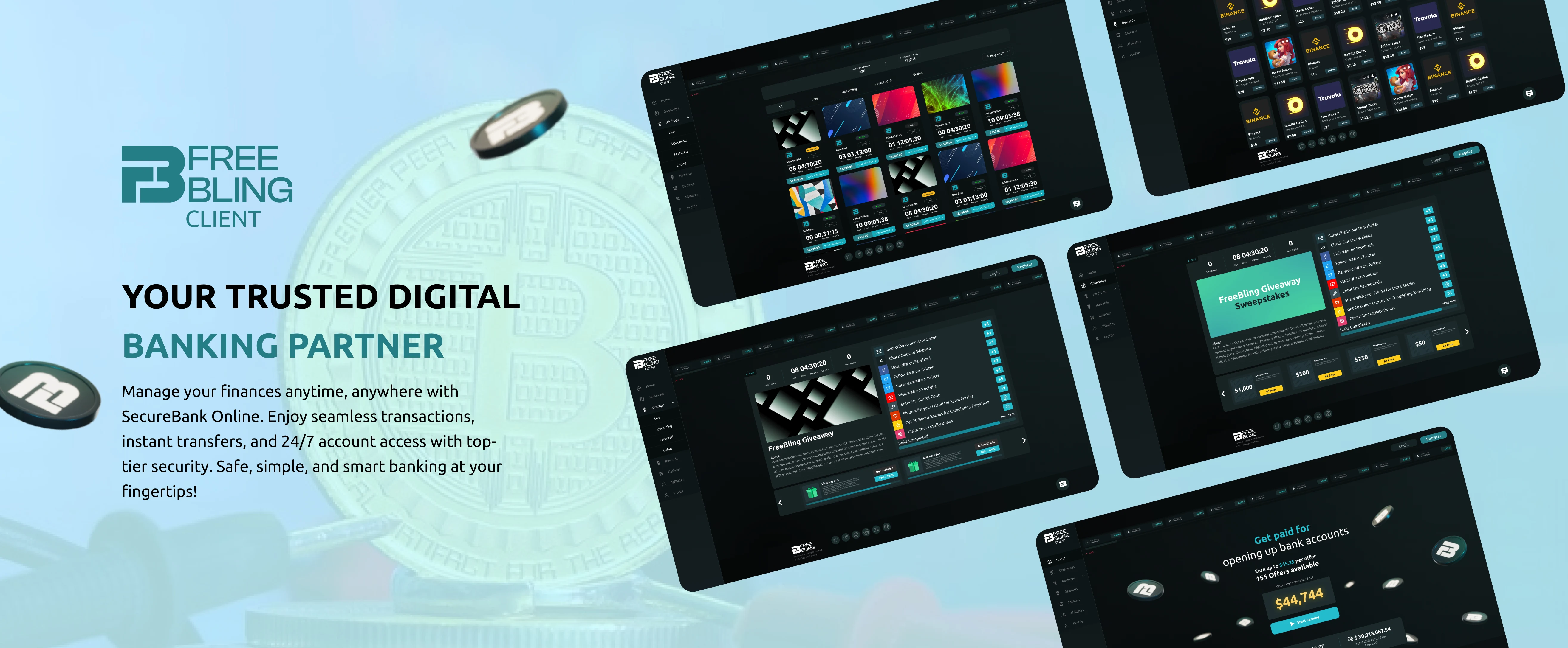 Fintech
FreeBling
Web3 rewards platform with giveaways, airdrops and reward missions.
+85%
User Growth
+48%
Engagement
+2.4x
Rewards
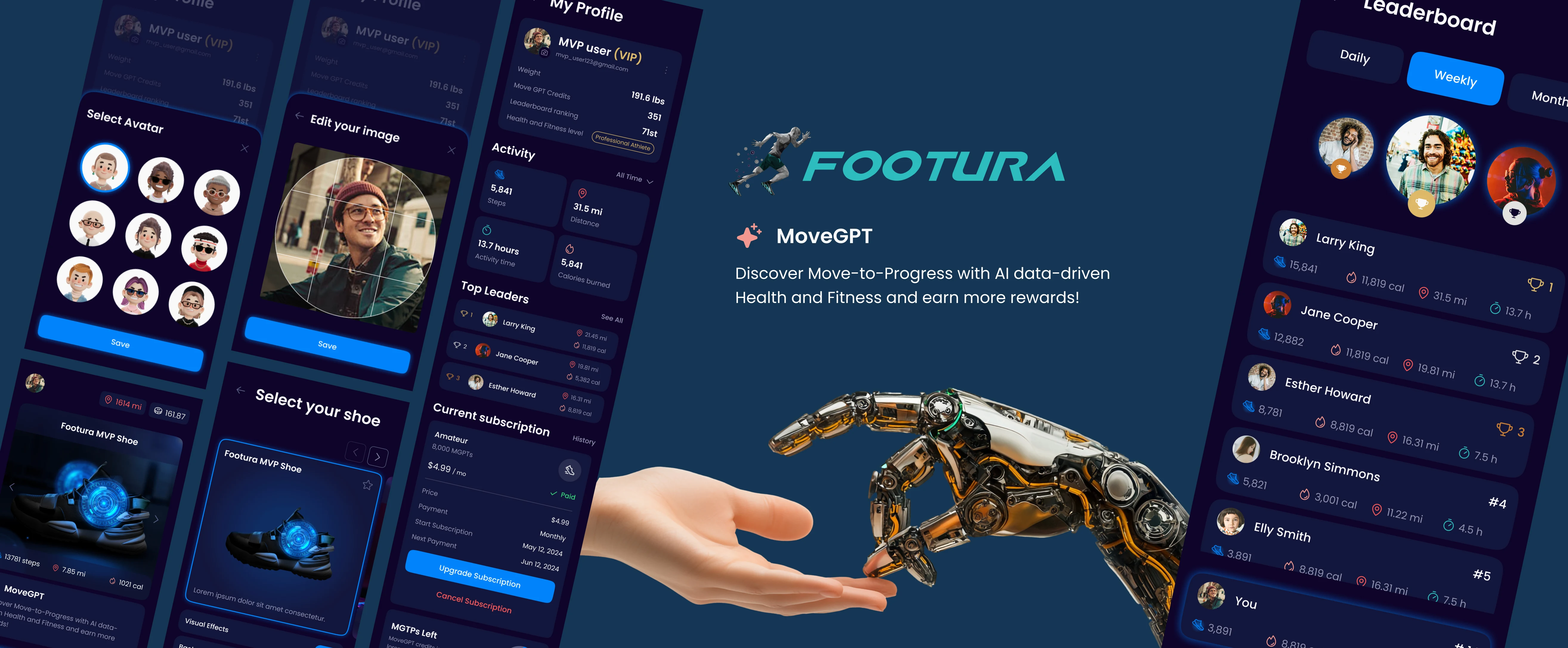 Health & Fitness
AI Fitness
AI-driven health and fitness tracking that rewards every move you make.
+62%
User Growth
+52%
Engagement
+2.6x
Activity
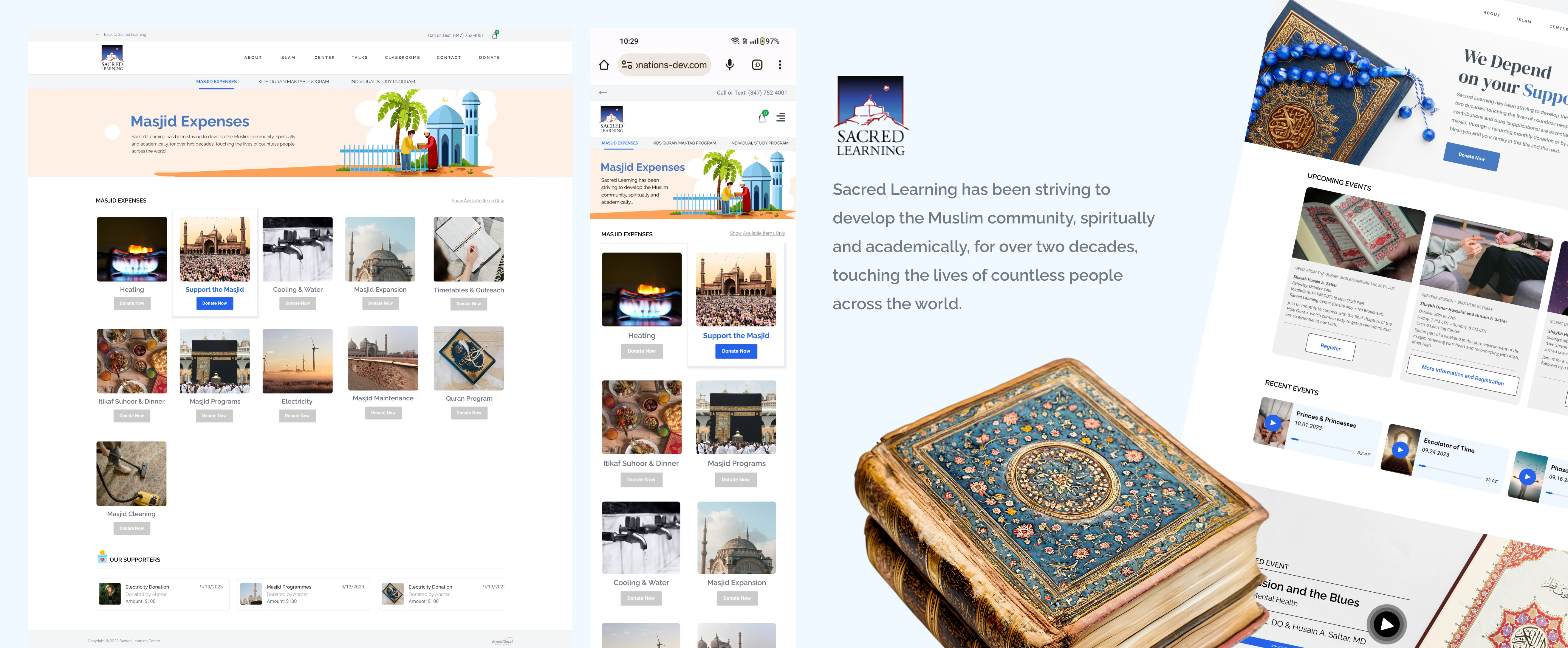 Education
Sacred Learning
A structured learning platform for courses, audio lessons and study paths.
+70%
User Growth
+64%
Engagement
+2.7x
Completions
We craft and deliver application experiences that are agile, scalable, and designed for enterprise-level performance. With cloud-native architectures, engineering methodologies, and platform intelligence, we help clients accelerate their time-to-market while improving reliability, responsiveness, and user engagement.
LoudOwls adheres to a strong methodology that leads to modular design, continuous innovation, and platform-led development that empowers clients to open new business models and reimagine user journeys. Our app solutions are purpose-built to adapt with ever-changing needs of enterprise clients — facilitating intelligent, adaptive, and future-proof digital experiences.
Global Clientele
Trusted by businesses across the globe
Next-Gen Tech
Leveraging innovation for smarter digital solutions
Payment received
+$2,400 from Klink
Good morning 👋
LoudOwls Dashboard
Total Revenue
+12.5%$0
Recent Activity
Fintech App
Deployed to stores
E-commerce Build
Sprint 4 delivered
AI Integration
Milestone reached
Need More Than a Vendor? Partner with our Mobile App Development Company!
When you partner with our mobile app development company, you're gaining more than developers, you're acquiring a committed team invested in your competitive edge and long-term success. Ready to elevate your innovation?
Our Full-Fledged Custom
Mobile App Development Services
Our custom mobile app development services are designed for business value; to enhance performance; and enable scalable growth. By combining deep domain knowledge, agile service delivery, and intelligent automation, we help organizations navigate disruption and lead with innovation.
Our service model is founded on three pillars: scalability, agility, and relentless innovation. Whether we are modernizing a fintech platform or launching a new digital project, we build flexible architectural designs that can change as your business does.
Mobile App Development
We design high-performing mobile applications for scalability, usability, and business results. Native or cross-platform, our mobile applications are capable of...
iOS App Development
Our iOS development team creates high-performing applications with intuitive designs and security features that conform to Apple's restrictions. We work alongsi...
React Native Development
We utilize React Native to develop powerful cross-platform applications, incorporating native-like styles and performance. We can decrease time to development w...
Android App Development
Our Android development team builds robust, scalable applications optimized for the Android ecosystem. We leverage native Android technologies and Google's best...
Flutter Development
We create beautiful, natively compiled applications using Flutter's powerful framework. Our Flutter development ensures consistent user experiences across multi...
Have a Vision for the Next Big App or Platform?
Let's discuss how our expert team can help bring your mobile app vision to life with cutting-edge technology and proven methodologies.
Schedule a ConsultationOur Agile Yet Transparent Mobile App Development Process
From initial consultation to final delivery, we follow a meticulously crafted process designed to transform your vision into extraordinary digital experiences
Client Meeting
We start by understanding your vision, goals, and requirements through detailed discussions and consultations to create the perfect foundation.
- Requirements Analysis
- Vision Alignment
- Goal Setting
Strategy and Prototypes
We develop comprehensive strategies and create interactive prototypes that bring your ideas to life with precision and innovation.
- Strategic Planning
- Wireframing
- Interactive Prototypes
Development and Designing
Our expert team transforms concepts into reality using cutting-edge technologies and stunning design implementations.
- Frontend Development
- Backend Architecture
- UI/UX Design
Track and Maintenance
We provide continuous monitoring, optimization, and maintenance to ensure peak performance and sustainable growth.
- Performance Monitoring
- Regular Updates
- 24/7 Support
Ready to Start Your Journey?
Join hundreds of satisfied clients who trust us with their digital transformation
Your Trusted Mobile App Development Company for Digital Innovation
Business-Aligned Innovation
We don't just create technology - we solve business problems. Each solution considers where you want to go long-term, meaning each innovation yields a future-looking measurable ROI, improved operational processes and a customer-oriented evolution of your business.
Enterprise-Grade Delivery Excellence
Every project we build will conform to globally accepted enterprise standards for precision, scalability and security. Our teams take an Agile approach to project delivery, meaning faster time-to-market whilst maintaining the quality standards expected of Enterprise Scale.
Trusted Partner, Not Just a Vendor
We strive to develop long-term relationships based on transparency, integrity and shared success. Our clients view us as part of their team - committed to their vision, collaborating on deliverables and accountable to milestones.
Cross-Disciplinary Tech Expertise
Our employees and contractors specialize in everything from mobile to cloud to cybersecurity to product engineering. We recruit specialists to enrich the project teams, provide domain experience and allow our clients to remain competitive through technology.
Adaptive and Future-Ready Approach
The technology landscape is changing rapidly, so we must also change. Our teams are committed to professional development, including learning new technologies, modernizing our toolchain and taking a proactive stance towards upcoming trends and technology evolution for sustainable digital investment.
Trusted Partnerships.
Proven Outcomes.
Real stories from clients and team members who've experienced the LoudOwls difference.
The LoudOwls team updated our mobile app flawlessly, at every scaling stage to account for increased demand. The level o...
Sarah Ricket
CEO, MyTalez
Our site is lighting-fast, and fully SEO optimized now that LoudOwls is building leveraging Next.js. They helped us reth...
Lisa Wang
Operations Manager
LoudOwls Solutions Private Limited is a reliable and professional team. They deliver quality work with good communicatio...
Vishal Aggarwal
Google Reviewer
Great working experience! Pardip was responsive, understood the requirements well, and delivered quality work on time. C...
Vishal Aggarwal
Upwork Client
Working with LoudOwls was an exceptional experience. Their team delivered our e-commerce platform ahead of schedule with...
Mark Johnson
Founder
I had the pleasure of working with the LoudOwls team for the development of a fitness tracker mobile and web app for my ...
Aditya Sharma
Google Reviewer
The team is professional, responsive, and committed to delivering quality IT solutions. Even though they are a newly est...
A Vashist
Google Reviewer
Pardip is a great developer and understands how to roadmap and execute on projects. We hired him to develop a version of...
Joshe
Upwork Client
The LoudOwls team updated our mobile app flawlessly, at every scaling stage to account for increased demand. The level o...
Sarah Ricket
CEO, MyTalez
Our site is lighting-fast, and fully SEO optimized now that LoudOwls is building leveraging Next.js. They helped us reth...
Lisa Wang
Operations Manager
LoudOwls Solutions Private Limited is a reliable and professional team. They deliver quality work with good communicatio...
Vishal Aggarwal
Google Reviewer
Great working experience! Pardip was responsive, understood the requirements well, and delivered quality work on time. C...
Vishal Aggarwal
Upwork Client
Working with LoudOwls was an exceptional experience. Their team delivered our e-commerce platform ahead of schedule with...
Mark Johnson
Founder
I had the pleasure of working with the LoudOwls team for the development of a fitness tracker mobile and web app for my ...
Aditya Sharma
Google Reviewer
The team is professional, responsive, and committed to delivering quality IT solutions. Even though they are a newly est...
A Vashist
Google Reviewer
Pardip is a great developer and understands how to roadmap and execute on projects. We hired him to develop a version of...
Joshe
Upwork Client
The LoudOwls team updated our mobile app flawlessly, at every scaling stage to account for increased demand. The level o...
Sarah Ricket
CEO, MyTalez
Our site is lighting-fast, and fully SEO optimized now that LoudOwls is building leveraging Next.js. They helped us reth...
Lisa Wang
Operations Manager
LoudOwls Solutions Private Limited is a reliable and professional team. They deliver quality work with good communicatio...
Vishal Aggarwal
Google Reviewer
Great working experience! Pardip was responsive, understood the requirements well, and delivered quality work on time. C...
Vishal Aggarwal
Upwork Client
Working with LoudOwls was an exceptional experience. Their team delivered our e-commerce platform ahead of schedule with...
Mark Johnson
Founder
I had the pleasure of working with the LoudOwls team for the development of a fitness tracker mobile and web app for my ...
Aditya Sharma
Google Reviewer
The team is professional, responsive, and committed to delivering quality IT solutions. Even though they are a newly est...
A Vashist
Google Reviewer
Pardip is a great developer and understands how to roadmap and execute on projects. We hired him to develop a version of...
Joshe
Upwork Client
Hover over testimonials to pause • Cards expand on hover
Hire Certified Yet Experienced Mobile App Developers
Looking for the best mobile app development company? Our expert team includes specialized iOS app developers, experienced Android app developers, and skilled Flutter mobile app development professionals. We're your trusted ecommerce mobile app development partner, delivering cutting-edge solutions tailored to your business needs.
Junior Developer
2+ Years Experience
Key Skills:
- React Native Development
- Flutter Basic Implementation
- API Integration & Testing
- UI/UX Implementation
- Bug Fixing & Debugging
- Version Control (Git)
Senior Developer
5+ Years Experience
Key Skills:
- Advanced Flutter & React Native
- iOS Native (Swift/SwiftUI)
- Android Native (Kotlin/Java)
- App Architecture Design
- Performance Optimization
- Code Review & Team Leadership
- CI/CD Pipeline Setup
Lead Developer
8+ Years Experience
Key Skills:
- Full-Stack Mobile Development
- DevOps & Cloud Integration
- Technical Architecture Planning
- Team Management & Mentoring
- Project Management & Strategy
- Security & Compliance
- Scalable Solution Design
✨ Flexible engagement models: Hourly, Monthly, or Fixed-price projects
Get custom quotes based on your project requirements and timeline.
Our Latest Blogs
Stay updated with the latest trends, insights, and innovations in technology
Frequently Asked Questions
Get answers to common questions about our mobile app development services
Still have questions about our mobile app development services?
Get in Touch